
How to start learning filmmaking for beginners?
Determine what aspects of filmmaking you want to focus on. Are you interested in directing, cinematography, screenwriting, editing, or a combination of these? Clarifying your goals will guide your learning path. Also familiarize yourself with the fundamental concepts of filmmaking, such as storytelling, camera angles, composition, lighting, sound, and editing. Learning filmmaking can be an exciting and rewarding journey. Here are some steps to help you get started,
1. Watch Films
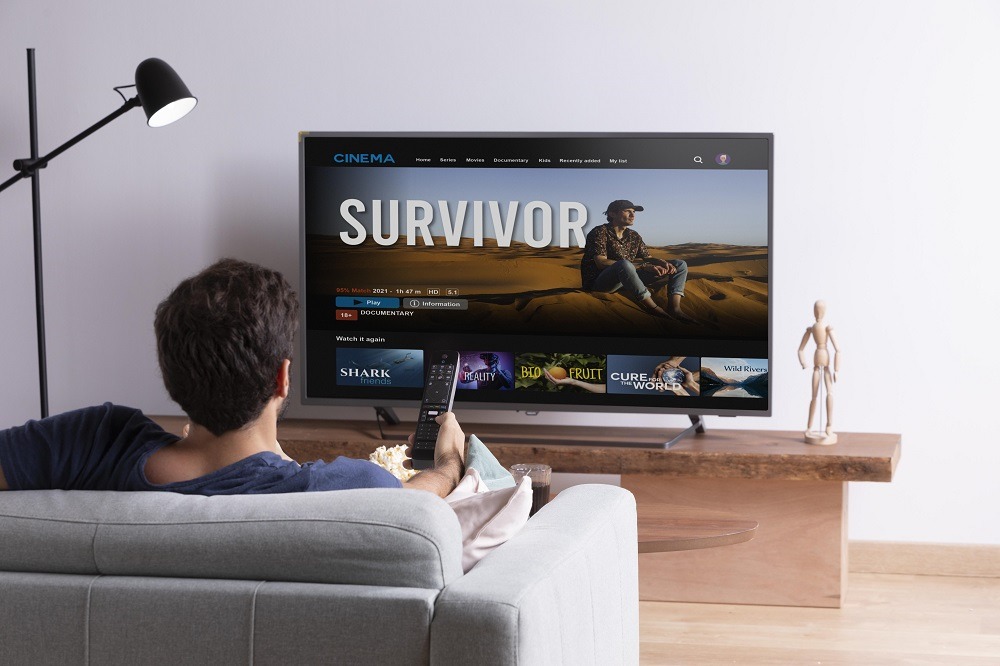
Start by watching a wide variety of films from different genres, time periods, and countries. Pay attention to the storytelling, camera angles, lighting, sound design, and overall production value. Analyze what makes certain films stand out and connect with the audience. Aspiring filmmakers can gain valuable insights and knowledge from carefully observing and analyzing films. some ways watching films can benefit beginners in their filmmaking journey are Understanding Storytelling, Observing Cinematic Techniques, Analyzing Directing Styles, Learning Camera Movements, Absorbing Film Genres, Recognizing Film Symbolism and Themes, Discovering Sound Design etc..
2.Read Books and Guides

Reading books and guides on filmmaking is an excellent starting point for beginners looking to learn the craft of filmmaking. There are numerous books and online guides that cover the basics of filmmaking, including screenwriting, cinematography, directing, editing, and more. Books offer in-depth knowledge, practical tips, and insights from experienced filmmakers, providing a strong foundation for aspiring directors, cinematographers, screenwriters, and other filmmaking roles. By combining practical learning with theoretical knowledge, beginners can accelerate their growth and development in the exciting world of filmmaking.
3.Study Cinematography and Lighting
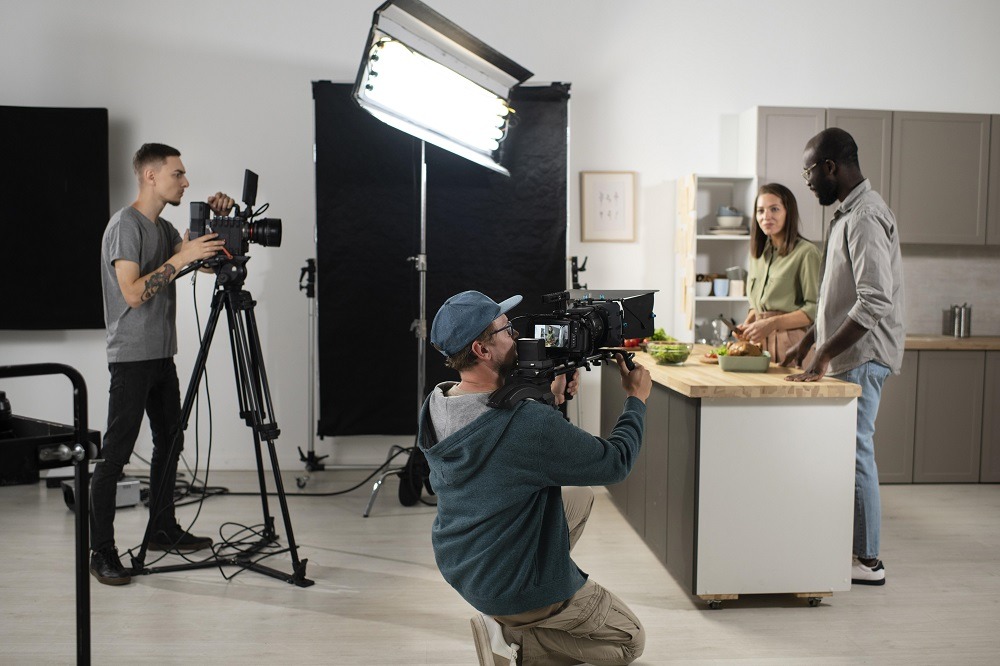
Learn the principles of cinematography and how to use lighting effectively to set the mood and tone of your scenes. Cinematography and lighting are two crucial aspects of filmmaking that significantly impact the visual storytelling and overall aesthetics of a film or video production. Cinematography involves capturing moving images on film or digital media, while lighting plays a vital role in creating mood, atmosphere, and emphasizing key elements within the frame. Cinematography is the art and science of capturing images through the lens of a camera to tell a story or convey emotions. Key aspects of cinematography include: Camera Movement: Cinematographers decide how the camera will move throughout a scene. Techniques such as static shots, panning, tilting, tracking, and handheld shots are used to convey different emotions and perspectives. Lighting is a fundamental element of cinematography that involves setting up and controlling the illumination in a scene. Proper lighting enhances the visual quality of the images, adds depth, and sets the mood for each shot. The director of photography, in collaboration with the gaffer and lighting crew, manages the lighting setup.
4. Attend Workshops and Film Festivals
Look for workshops, seminars, and film festivals in your area. These events can provide valuable networking opportunities and exposure to new ideas and trends in the industry. Workshops provide focused and practical training on various aspects of filmmaking, such as directing, screenwriting, cinematography, editing, sound design, special effects, and more. Participants can enhance their technical skills and gain a deeper understanding of their chosen field. Immersing oneself in a workshop environment, surrounded by passionate individuals and industry professionals, can be highly motivating and inspiring, reigniting creativity and dedication to filmmaking. Film festivals attract filmmakers, distributors, agents, investors, and critics from around the world. The festival’s social events, Q&A sessions, and networking lounges offer ample opportunities to connect with influential figures in the industry. Attending workshops and film festivals can be transformative experiences that enrich a filmmaker’s knowledge, skills, and professional network. These events provide unique opportunities to showcase work, learn from industry experts, and connect with fellow filmmakers, ultimately contributing to the growth and success of one’s filmmaking career.
5.Practice with a Smartphone or Basic Camera
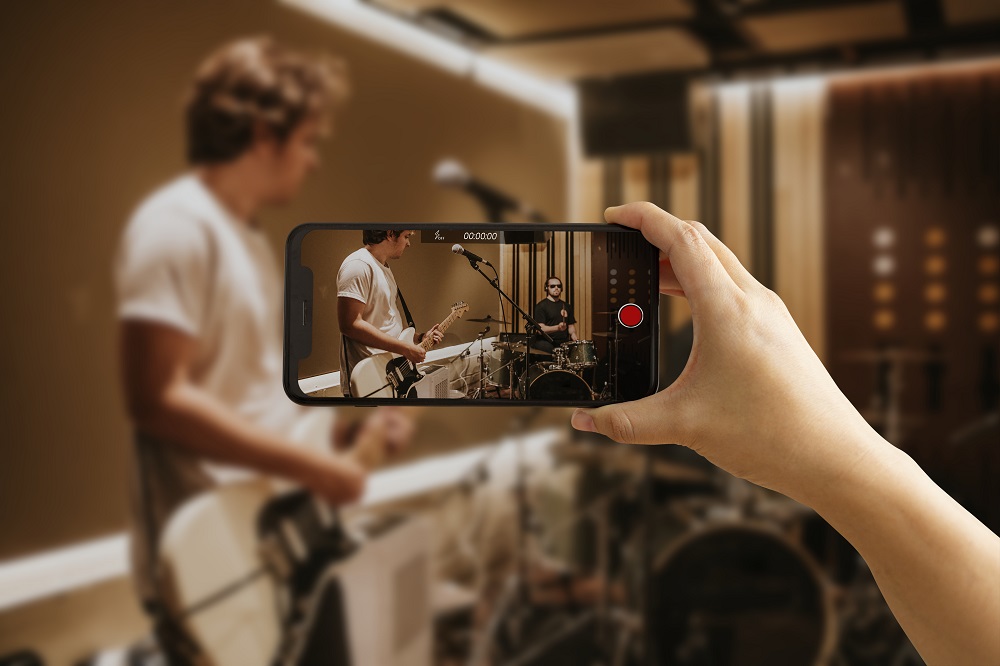
Start experimenting with filmmaking using your smartphone or a basic camera. Both smartphones and basic cameras have capabilities that allow you to explore various aspects of filmmaking and improve your skills. Practice framing your shots and experimenting with different compositions. Utilize the rule of thirds, leading lines, and other composition techniques to create visually appealing and balanced images. Familiarize yourself with the camera functions, settings, and features of your smartphone or basic camera. Learn how to adjust exposure, white balance, focus, and resolution to capture the best possible images. Learn about framing, composition, Lighting and capturing different types of shots. Practice shooting short films, documentaries, or even vlogs.