
The Basics of Videography: What Should You Know?
Videography is the art and process of capturing moving images on video, typically with a digital camera or camcorder. It involves understanding the fundamental principles of filming and the technical aspects of video production. Here are some basics of videography to help you get started:
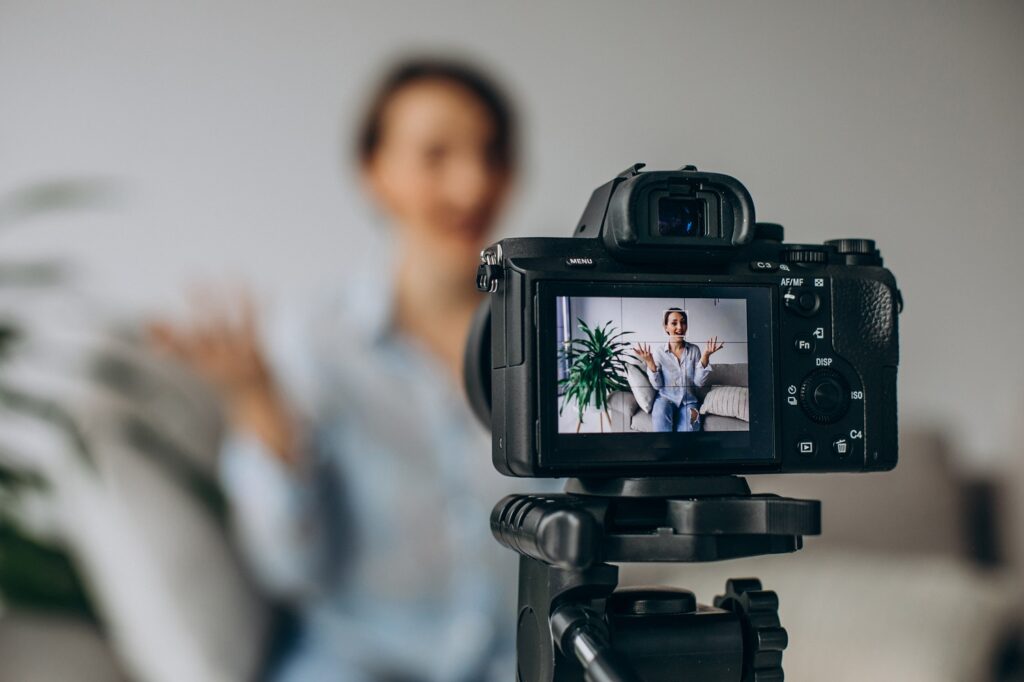
Camera Equipment : Invest in a good quality digital camera or camcorder that suits your needs and budget. Some important features to consider are resolution (1080p, 4K, etc.), frame rate (24fps, 30fps, 60fps), and lens options.
Composition : Composing your shots effectively is crucial for creating visually appealing videos. Learn about the rule of thirds, leading lines, framing, and other composition techniques to make your shots more engaging.
Lighting: Proper lighting is essential for high-quality videos. Understand the different types of lighting setups, such as three-point lighting, and learn to work with natural light to achieve the desired look.
Camera Settings: Familiarize yourself with your camera’s settings, including exposure, aperture, shutter speed, ISO, white balance, and focus. Knowing how to adjust these settings will give you more control over your footage.
Stability: Keep your camera steady to avoid shaky footage. Use a tripod or stabilizer to maintain a smooth and professional look.
Movement: Master the art of camera movement. Techniques like panning, tilting, tracking, and dolly shots can add dynamism to your videos.
Audio: Good audio quality is just as important as video quality. Invest in an external microphone to capture clear and crisp audio.
Pre-production: Plan your shoots in advance by creating a storyboard or shot list. This will help you stay organized and ensure you get all the shots you need.
Post-production: Edit your footage using video editing software. Learn the basics of cutting, trimming, adding transitions, applying filters, and incorporating audio to create a cohesive and polished final video.
Storytelling: Videography is not just about capturing pretty images. It’s about telling a story or conveying a message. Think about the narrative you want to create and how your shots can contribute to that story.
Continuity: Pay attention to continuity when shooting multiple scenes. Maintain consistency in lighting, camera angles, and actor positions to avoid jarring cuts in your final video.
Practice and Experiment: Videography is a skill that improves with practice. Experiment with different techniques, styles, and genres to find your unique voice as a videographer.